
Psychology Insights
Thoughts and reflections about Psychology topics by Clinical psychologists.
-
Demystifying the Alphabet Soup: Understanding HPI, 2e, Dual or Multiple Exceptionality, and Neurodevelopmental Terminology
When navigating the world of psychological assessments, it is easy to get lost in an alphabet soup of clinical acronyms and educational terms. If you, or your child, have been described as “gifted,” a “High Potential Individual,” “2e,” or “DME,” you might wonder how these labels connect to clinical diagnoses like Autism or ADHD.
-
The Modern Neurochemistry of ADHD: Working With Your Brain
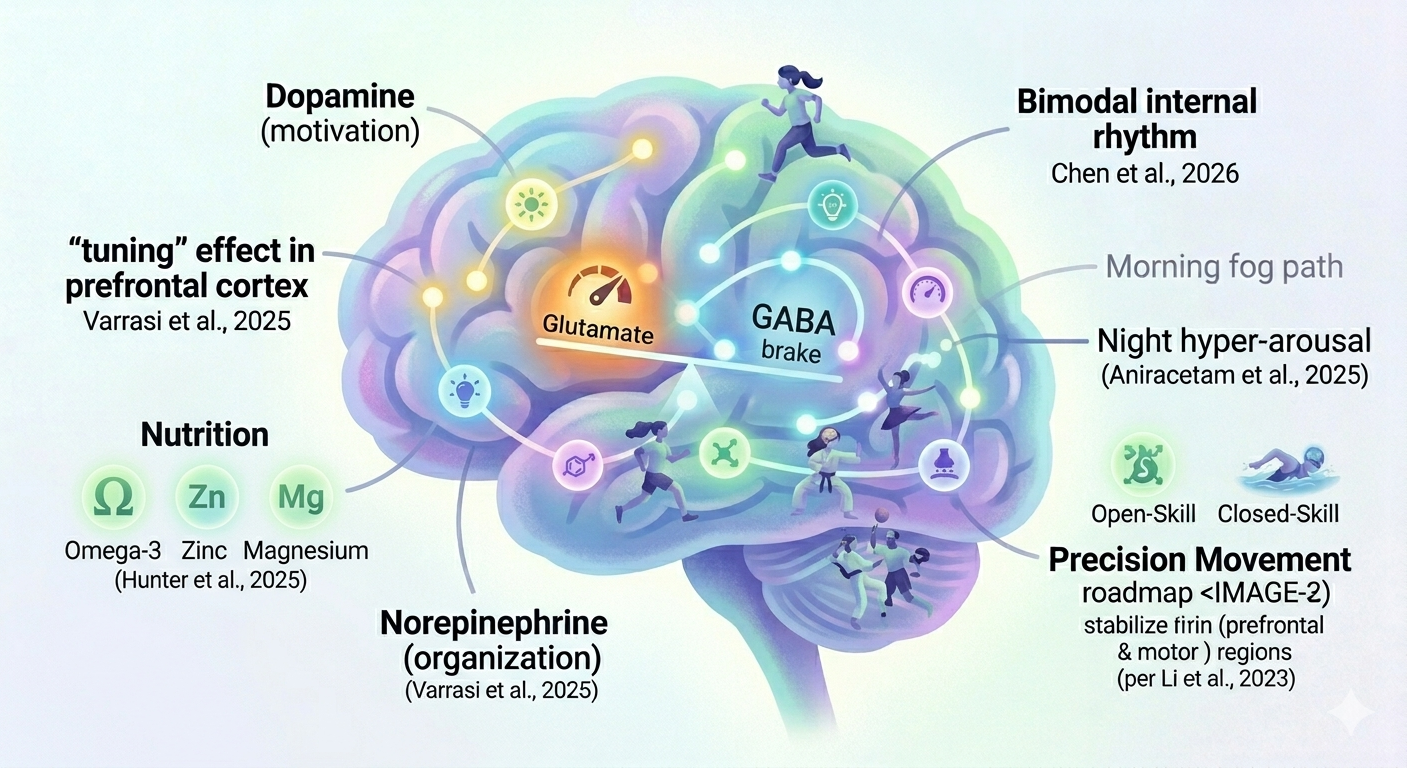
f you have ADHD, you have probably been told that your brain just does not have enough dopamine. While that is a helpful starting point, it is a bit like saying a car does not work because it has no petrol. In reality, the ADHD brain is far more complex and interesting than that. Based…
-

Understanding Communication in Neurodiverse Relationships
f you are autistic, you may feel that maintaining consistent communication or relational flow requires significant effort. This experience is valid and rooted in cognitive and sensory processing differences, not in any limitation of intention or care.
-

High Potential Individuals (HPI): Understanding a French Concept Through a UK Lens
Over the past few years, the idea of the “High Potential Individual” (often shortened to HPI, from the French Haut Potentiel Intellectuel) has gained significant attention. This is especially true in France, Belgium, and Canada, where books, podcasts, and therapists have explored what it means to be a person who “thinks differently.”Here in the UK,…
-

Menopause, Mood and the Mind: Reflections from Clinical Practice on Mental Health in Midlife
Many women expect hot flushes. Some anticipate the sudden anxiety at 3 AM, the dip in confidence at work, or the inexplicable sense that their mood is no longer anchored as it once was. In my clinic, I often hear women say, “I thought I was coping fine, then my mood just changed, and I…
-

Burnout Symptoms, Causes, and Recovery – A Clinical Psychologist’s View
Conversations about burnout have grown rapidly in recent years. The World Health Organization now recognises burnout as an “occupational phenomenon,” reflecting how many people are struggling with chronic work stress. But what exactly is burnout? How is it different from everyday stress? And most importantly – how do you recover? As a clinical psychologist, I…
-

Understanding Autism in Girls: A Unique Perspective
Autistic girls are often skilled at “masking”, observing and copying the social behaviours of others to fit in. This can make their autistic traits less visible to parents, teachers, and even professionals. While masking can help girls manage social expectations, it can also be exhausting and contribute to anxiety or low self-esteem over time.
-

OCD and the Weight of Responsibility: Understanding the Link…
As a clinical psychologist, I often meet clients living with Obsessive-Compulsive Disorder (OCD) who describe feeling an overwhelming sense of responsibility—not just for their own actions, but for preventing harm to others, avoiding mistakes, or getting things exactly right. This goes far beyond being careful or conscientious. It becomes a kind of mental burden: a…
-

Understanding Relationship OCD: When Doubt Becomes an Obsession
Relationships naturally come with uncertainty, no partnership is perfect, and occasional doubts or insecurities are normal. However, for those with Relationship OCD (ROCD), these doubts can become all-consuming, turning into obsessive thoughts and compulsive behaviours that interfere with intimacy and emotional connection.
-

ADHD, Executive Dysfunction, and the Development of OCD-Like Behaviours.
Attention Deficit Hyperactivity Disorder (ADHD) is commonly associated with inattention, hyperactivity, and impulsivity. However, a lesser-known but equally impactful challenge faced by individuals with ADHD is executive dysfunction—difficulties with organisation, planning, and self-regulation. In a world that often demands order and predictability, many people with ADHD develop rigid routines and compulsive behaviours that resemble Obsessive-Compulsive…
-

Finding Your Therapist: A Roadmap to Choosing the Right Psychologist
Embarking on the journey of therapy is a courageous step towards healing and self-discovery. However, finding the right psychologist to accompany you on this journey can be a daunting task. With countless options available, it’s essential to approach the search with clarity and intention. Here are some practical steps to help you navigate the process…